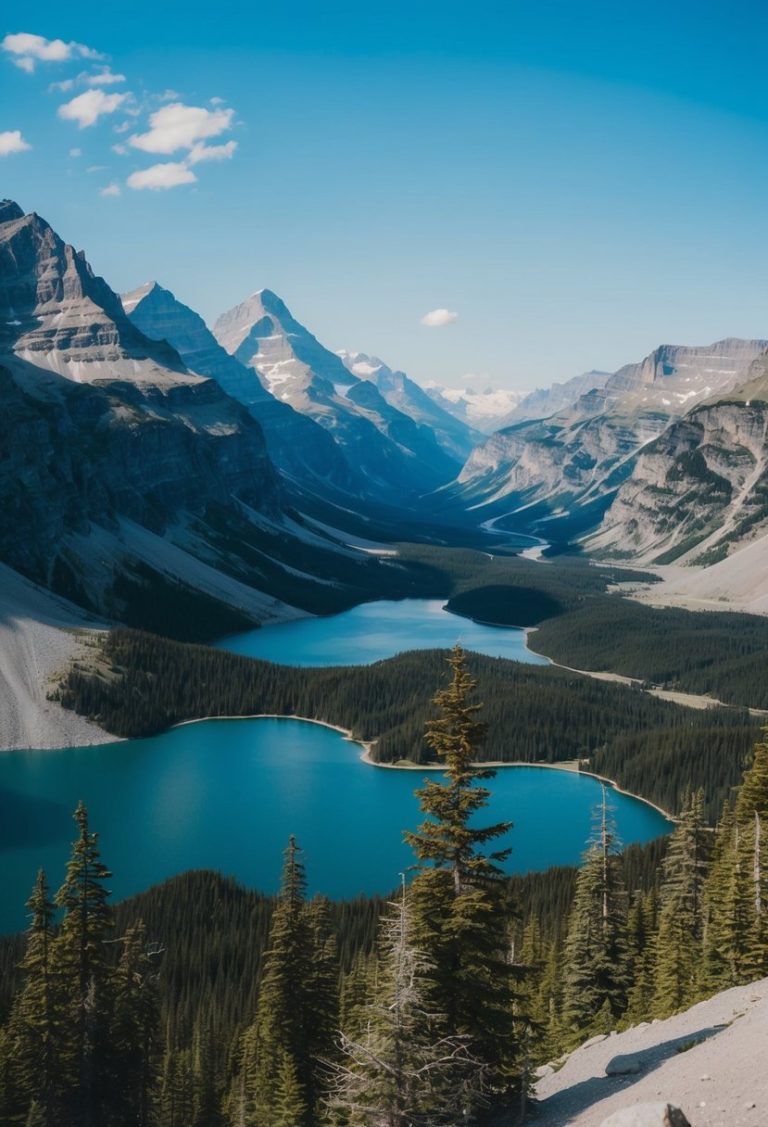
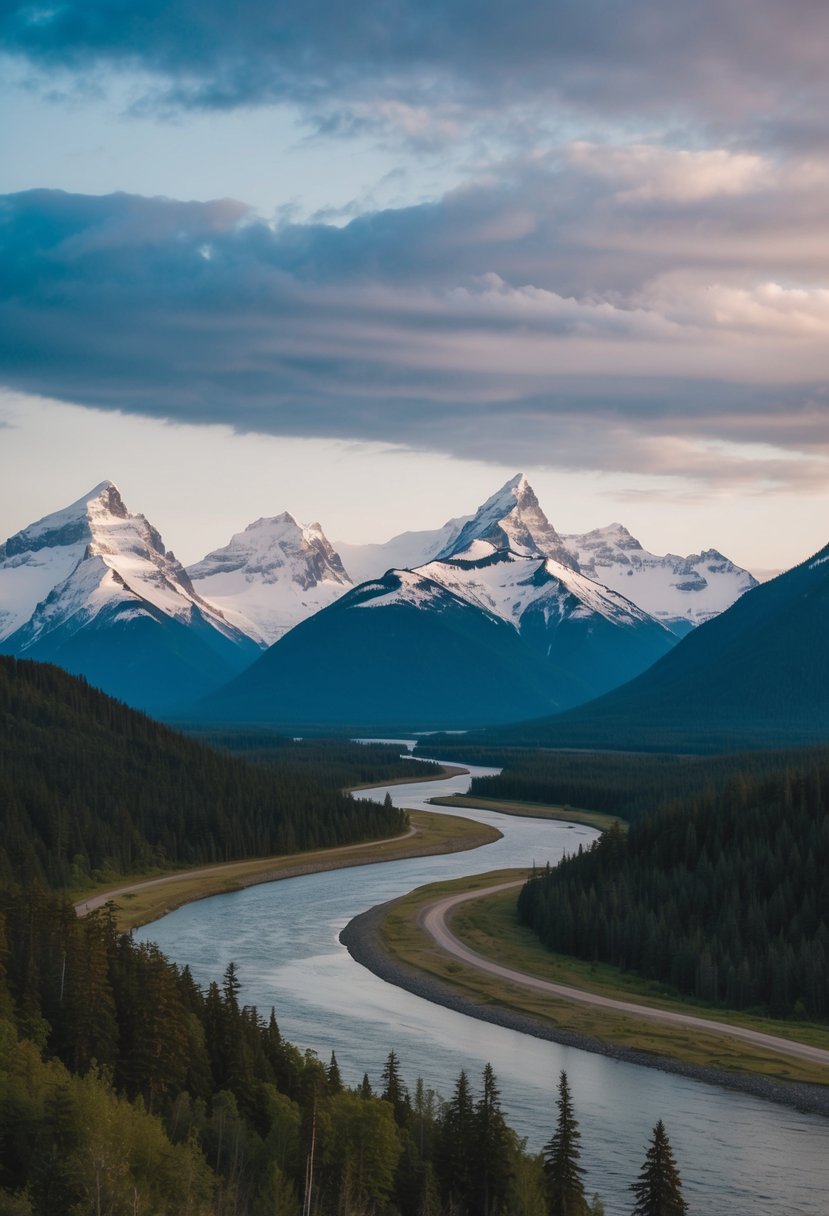
Alaska is home to some of the most stunning national parks in the United States, offering breathtaking landscapes and diverse wildlife. Visiting these parks allows outdoor enthusiasts to experience the natural beauty and unique ecosystems that Alaska has to offer. From majestic mountains to serene glaciers, these parks capture the essence of the Last Frontier.
Whether exploring vast wilderness areas or enjoying outdoor activities, travelers are drawn to the remarkable sights and adventures in these protected lands. Each park among the best national parks in Alaska presents its own charm, making it essential to discover the best spots that showcase Alaska’s incredible natural heritage.
1) Denali National Park & Preserve
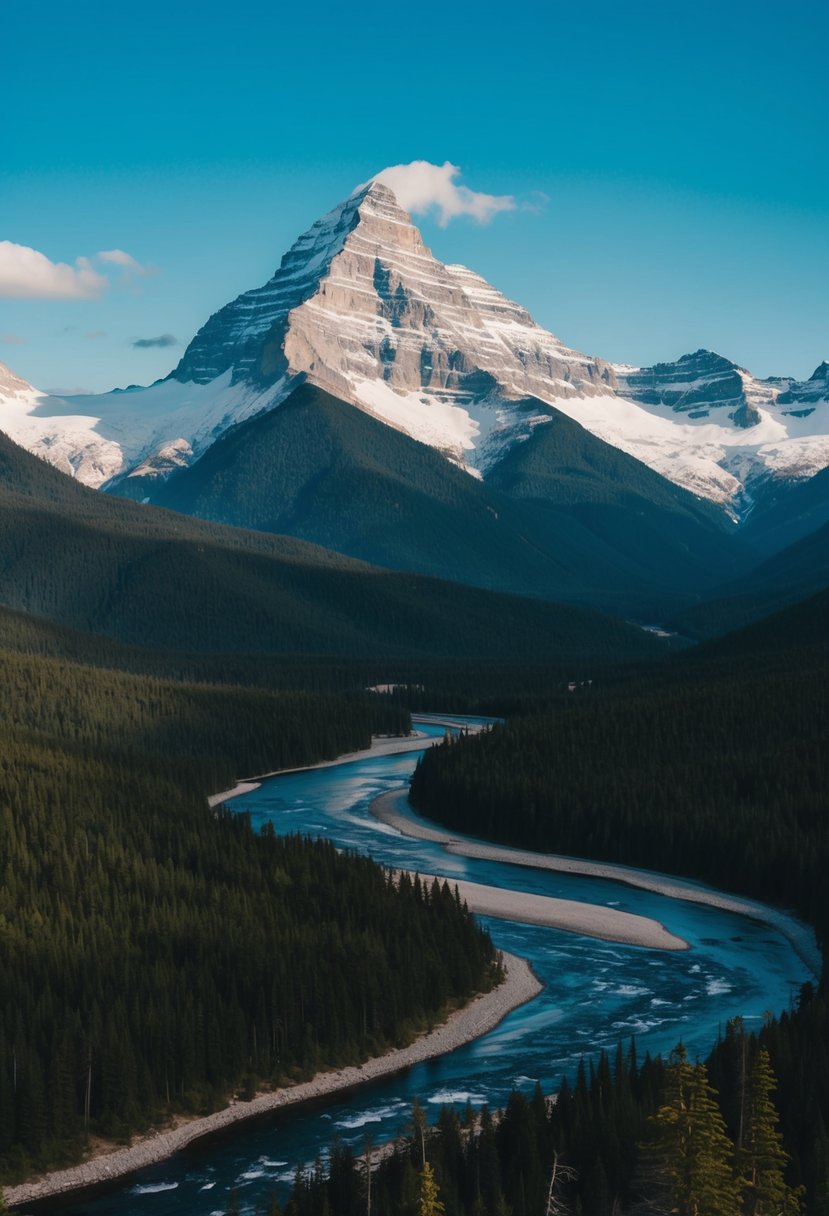
Denali National Park & Preserve is one of Alaska’s top destinations. It is home to North America’s highest peak, Mt. Denali, which stands at 20,310 feet. The park features stunning mountain views, diverse wildlife, and miles of untouched wilderness.
Visitors can enjoy various activities, such as hiking, wildlife viewing, and camping. The park is known for its vast landscapes and the chance to see animals like grizzly bears, moose, and caribou. Each season offers a unique experience, making it a great place to visit year-round.
There are specific guided tours available that help people explore the park’s beauty. For those interested in a more adventurous experience, flightseeing tours provide breathtaking aerial views of the landscape. Denali National Park & Preserve is truly a place for nature lovers and outdoor enthusiasts.
Travelers planning a visit will find information on recommended tours and hotels to enhance their experience. The park’s rich natural beauty and vast opportunities for exploration make it a must-see destination in Alaska.
2) Glacier Bay National Park
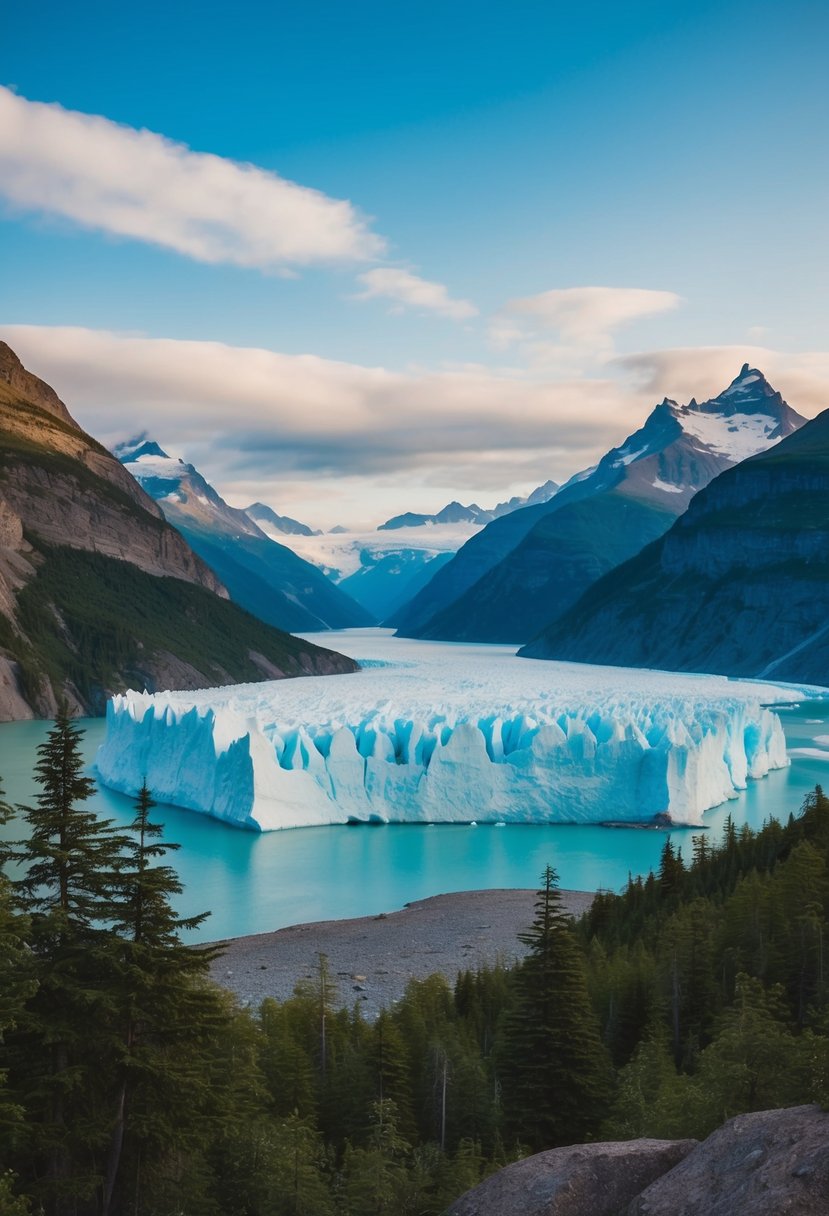
Glacier Bay National Park is one of the most stunning natural areas in Alaska. It spans 3.3 million acres and features diverse landscapes, including mountains, glaciers, and fjords.
The park is famous for its incredible wildlife. Visitors often see whales, seals, and various bird species in their natural habitats.
Glacier Bay National Park also offers excellent opportunities for outdoor activities. Hiking, kayaking, and wildlife viewing are popular among tourists.
As a UNESCO World Heritage Site, the park attracts many visitors each year. It provides access to breathtaking views and unique geological formations.
The glaciers themselves are a major draw. They are constantly changing and create a dynamic environment that’s fascinating to observe. Visitors feel a strong connection to nature in this pristine setting.
For those who seek adventure and beauty, Glacier Bay National Park is a must-see destination in Alaska. Its remarkable features make it a top choice among the state’s national parks.
3) Wrangell-St. Elias National Park

Wrangell-St. Elias National Park is the largest national park in the United States. It covers about 13.2 million acres of stunning wilderness.
Located in southeastern Alaska, the park features towering mountains, including Mount St. Elias, which stands at 18,008 feet. Visitors can see impressive glaciers, vast forests, and diverse wildlife.
Outdoor enthusiasts can enjoy activities like hiking, backpacking, and rafting. The park offers remote areas that provide a sense of solitude and adventure.
Wildlife in the park includes bears, moose, and mountain goats. Birdwatchers can also find various species in the area.
The park is accessible via some roads, but many areas require hiking or flying in. Its vastness makes it a unique destination for those seeking natural beauty and adventure. For more information, visit the Wrangell-St. Elias National Park page.
4) Kenai Fjords National Park

Kenai Fjords National Park is a stunning location in Alaska known for its dramatic landscapes. Glaciers, fjords, and a rich variety of wildlife make it a must-see for nature lovers.
Located near Seward, the park features incredible sea life and birds. Visitors can encounter seals, sea lions, and even whales while exploring its waters.
Hiking trails offer breathtaking views of glaciers, such as the famous Exit Glacier. This makes it accessible for hikers of all skill levels.
Outdoor adventures abound, from kayaking to guided boat tours. Many choose to see the glaciers from the water, enhancing the experience.
Kenai Fjords is an excellent choice for those seeking both adventure and beauty in Alaska’s wilderness. With its unique combination of land and sea, it captivates many who visit.
5) Katmai National Park & Preserve

Katmai National Park & Preserve is known for its stunning landscapes and rich wildlife. The park protects an area where volcanic activity and glaciers have shaped the environment.
Katmai is famous for having North America’s largest population of brown bears. Visitors often come to see these bears at Brooks River, especially during salmon spawning season.
The park is also significant for its history, which spans 9,000 years. It offers a glimpse into the lives of Indigenous peoples and their connection to the land.
Katmai features an active volcanic landscape, with sights like the Valley of Ten Thousand Smokes. It provides numerous opportunities for hiking, fishing, and exploring the unique ecosystem.
Wildlife enthusiasts and photographers find Katmai particularly appealing. The combination of natural beauty and diverse habitats makes it a top destination in Alaska.
Ecosystem Diversity
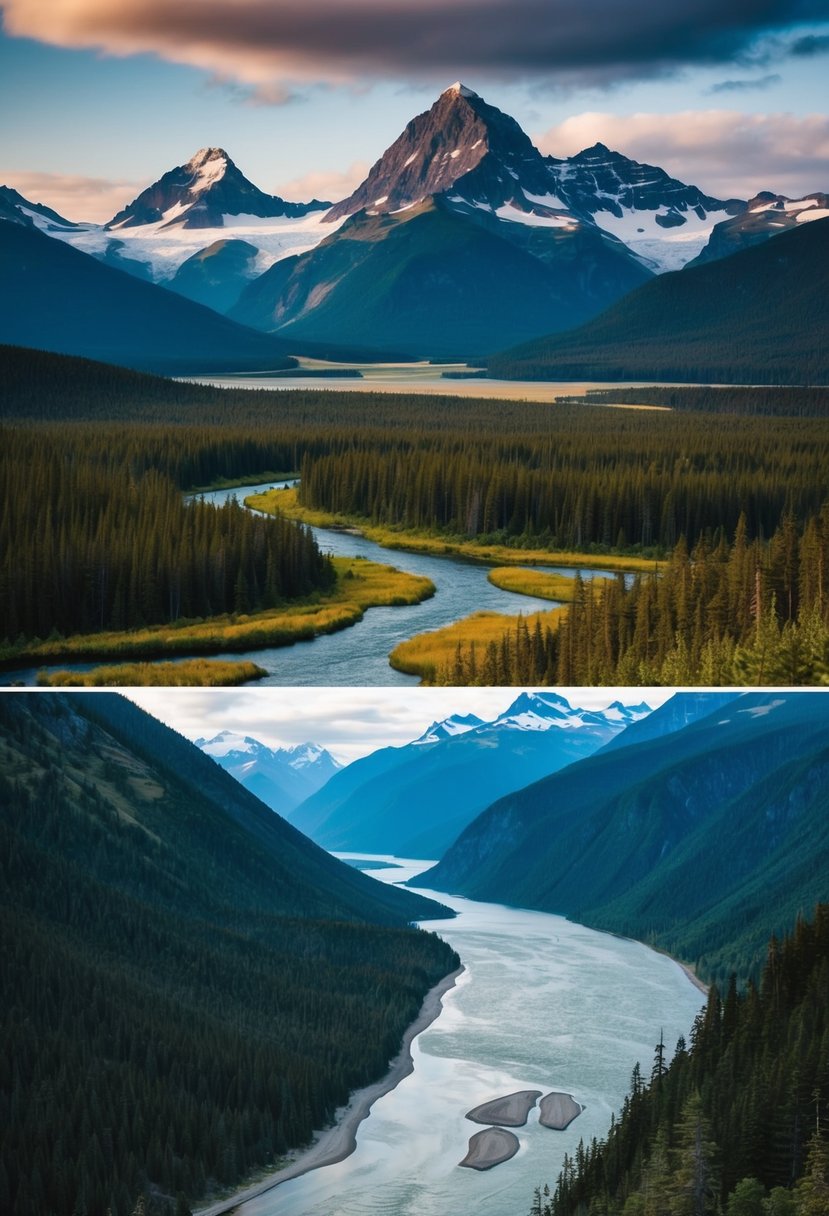
Alaska’s national parks are rich in biodiversity. From unique plant life to diverse animal species, these parks showcase a variety of ecosystems. Visitors can witness striking geological features shaped by natural forces over millennia.
Flora and Fauna of Alaska’s National Parks
Alaska’s national parks feature a wide range of plant and animal life. Coniferous forests dominate the landscape, along with diverse wildflowers in the summer. Parks like Denali and Glacier Bay support species like moss, lichen, and shrubs, which thrive in the cold climate.
Wildlife is equally impressive. Visitors may see grizzly bears, caribou, moose, and wolves in their natural habitats. Waterways are home to various fish species, including salmon. Birdwatchers can find seabirds, eagles, and migratory birds in these parks as well, highlighting a complex food web and vital ecosystems.
Geological Features and Natural Landscapes
The geological features of Alaska’s national parks are remarkable. Glaciers, mountains, and valleys tell the story of the Earth’s history. Glacier Bay National Park, for instance, showcases stunning tidewater glaciers that calve into the ocean.
Denali National Park is home to North America’s highest peak, Mount Denali, which rises dramatically from the landscape. The parks’ unique topography is a result of tectonic activity and erosion. Additionally, visitors can explore volcanic landscapes, hot springs, and diverse rock formations that highlight the dynamic forces shaping Alaska. These features provide a breathtaking backdrop and a testament to nature’s power.
Cultural Significance
Alaska’s national parks hold deep cultural significance, showcasing the rich Indigenous heritage and offering learning opportunities for visitors. The parks are not just places for exploration; they are also spaces that celebrate history and promote understanding of local cultures.
Indigenous Heritage and History
Alaska’s national parks are home to diverse Indigenous groups, each with unique histories and traditions. Tribes such as the Iñupiat, Athabascan, and Tlingit have lived in these lands for thousands of years. In Denali National Park, the Koyukon people have traditional stories about the mountain, illustrating its importance in their culture.
Many parks contain archaeological sites, ancient tools, and cultural landmarks. These elements help preserve the traditions and stories of Native Alaskan communities. Visitors can learn about subsistence lifestyles, traditional crafts, and the relationships between these cultures and the land. Engaging with Indigenous elders and guides enhances the experience, offering insight into their ways of life.
Visitor Engagement and Education
National parks in Alaska prioritize education about Indigenous cultures. They offer programs and guided tours, allowing visitors to connect with local histories. For example, Katmai National Park features ranger-led activities that highlight the Indigenous peoples’ knowledge of the environment.
Interactive exhibits in visitor centers provide deeper insights into the cultural significance of each park. These programs promote respectful engagement and understanding of Native Alaskan heritage. Educational workshops focus on traditional practices like fishing, basket weaving, and storytelling. This engagement fosters appreciation for the rich tapestry of cultures that thrive in Alaska’s national parks.