Exploring best national parks in fall offers a unique experience filled with stunning landscapes and vibrant colors. As the leaves change, visitors can enjoy breathtaking views and discover the beauty of nature in a different light. The fall season is an ideal time to visit national parks due to cooler temperatures and fewer crowds.

Each park has its own charm and features that stand out in the autumn months. Travelers can take part in activities such as hiking, wildlife viewing, and photography, all enhanced by the seasonal changes. Finding the best parks to visit in the fall allows outdoor enthusiasts to make the most of this picturesque time of year.
1) Great Smoky Mountains National Park, Tennessee & North Carolina

Great Smoky Mountains National Park straddles the border between Tennessee and North Carolina. It is known for its stunning fall foliage, where vibrant hues of red, orange, and yellow cover the landscape.
The park offers over 800 miles of hiking trails. Some trails lead to breathtaking overlooks, allowing visitors to take in the fall colors from high viewpoints.
Wildlife is abundant in the park. Visitors
2) Acadia National Park, Maine

Acadia National Park is a stunning destination known for its vibrant fall foliage. Located on Maine’s Mount Desert Island, it offers breathtaking views and numerous outdoor activities.
Visitors can enjoy hiking along the park’s scenic trails. The Beehive Loop Trail is popular for its exhilarating paths and remarkable vistas.
In fall, the park transforms into a colorful landscape. Trees display brilliant shades of red, orange, and yellow, making it an ideal spot for photography.
Acadia features several breathtaking viewpoints. One standout location is the Schooner Head Overlook, where guests can gaze at the rugged coastline against a backdrop of autumn colors.
Not only does fall provide beautiful scenery, but it also brings fewer crowds. September and October offer a more peaceful experience on the trails and at popular sites.
Whether exploring on foot or driving along the scenic loop road, Acadia National Park in fall captivates many outdoors enthusiasts and nature lovers. This makes it one of the best national parks to visit during this season.
3) Rocky Mountain National Park, Colorado

Rocky Mountain National Park in Colorado is stunning during the fall. The park is known for its vibrant golden aspens that begin changing in late August. These trees create a breathtaking display when they quake in the wind.
Visitors can enjoy hikes such as Alberta Falls and Glacier Gorge Trail. These trails offer scenic views and the chance to see wildlife like elk. Moose and deer also roam in this beautiful landscape.
Driving along Trail Ridge Road provides a unique perspective of the fall colors. The road reaches high elevations, giving views of colorful valleys below.
As temperatures cool and daylight hours shorten, the park transforms into a fall wonderland. Snow can also dust the higher peaks, adding to its charm.
For anyone looking to experience nature’s beauty, Rocky Mountain National Park is a must-see in the fall. The combination of changing leaves, crisp air, and majestic vistas makes it an unforgettable destination.
4) Zion National Park, Utah
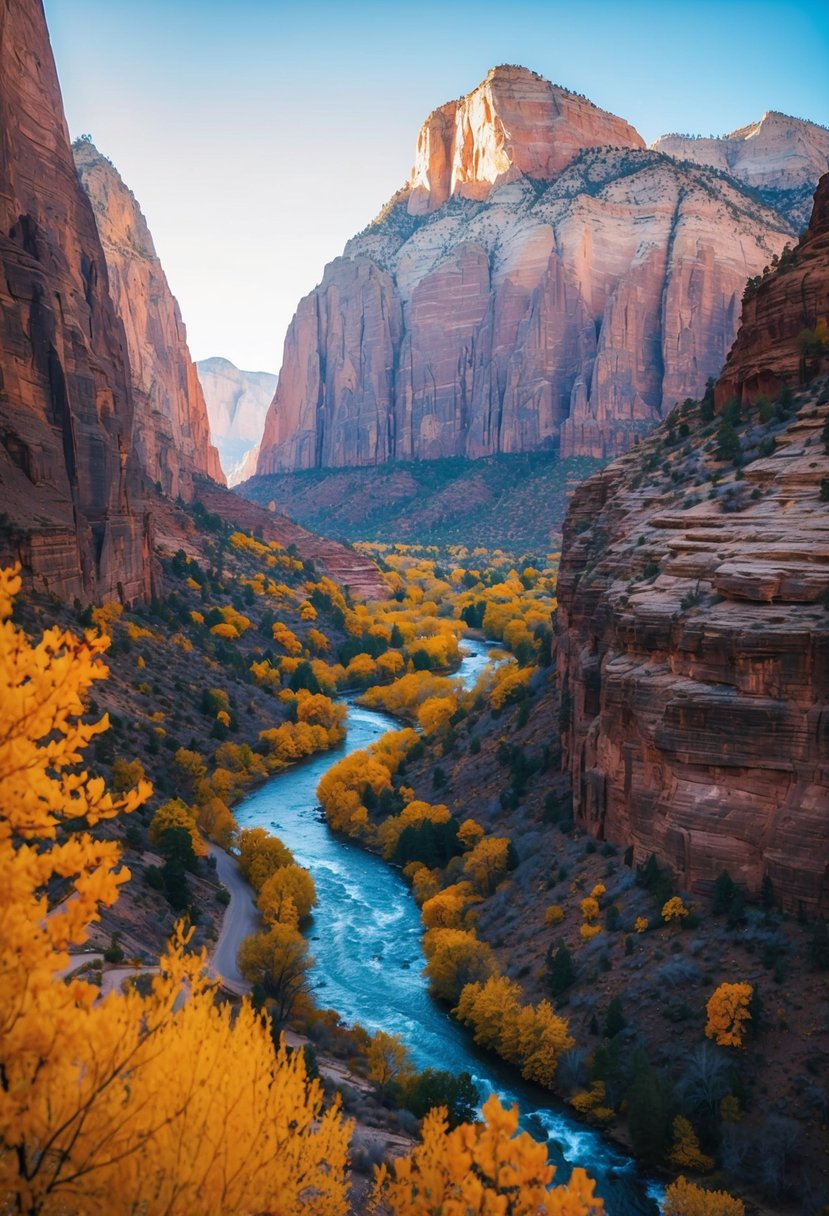
Zion National Park is a stunning destination in the fall. Visitors can witness beautiful fall colors as the leaves change. Scenic views stretch throughout the park, especially in Zion Canyon and along Highway 9.
Fall is a great time to visit, with cooler temperatures and fewer crowds. In the summer, Zion sees up to 17,000 visitors a day. In contrast, fall brings a more peaceful experience.
The park also offers excellent hiking trails. Popular hikes, such as Angels Landing, are enjoyable with fewer people around. Those seeking a more tranquil experience can explore the Kolob Canyon area, known for its picturesque landscapes.
Entrance to Zion National Park costs $30 per vehicle. For those planning to visit multiple parks, the America the Beautiful Pass is a money-saving option. This pass allows access to national parks and other federal lands.
For those interested in seeing the vivid fall foliage, mid-September is the best time to visit. The changing leaves create a beautiful backdrop for photography and nature walks. Zion National Park truly shines in the fall, attracting nature lovers and photographers alike.
5) Yellowstone National Park, Wyoming, Montana, Idaho
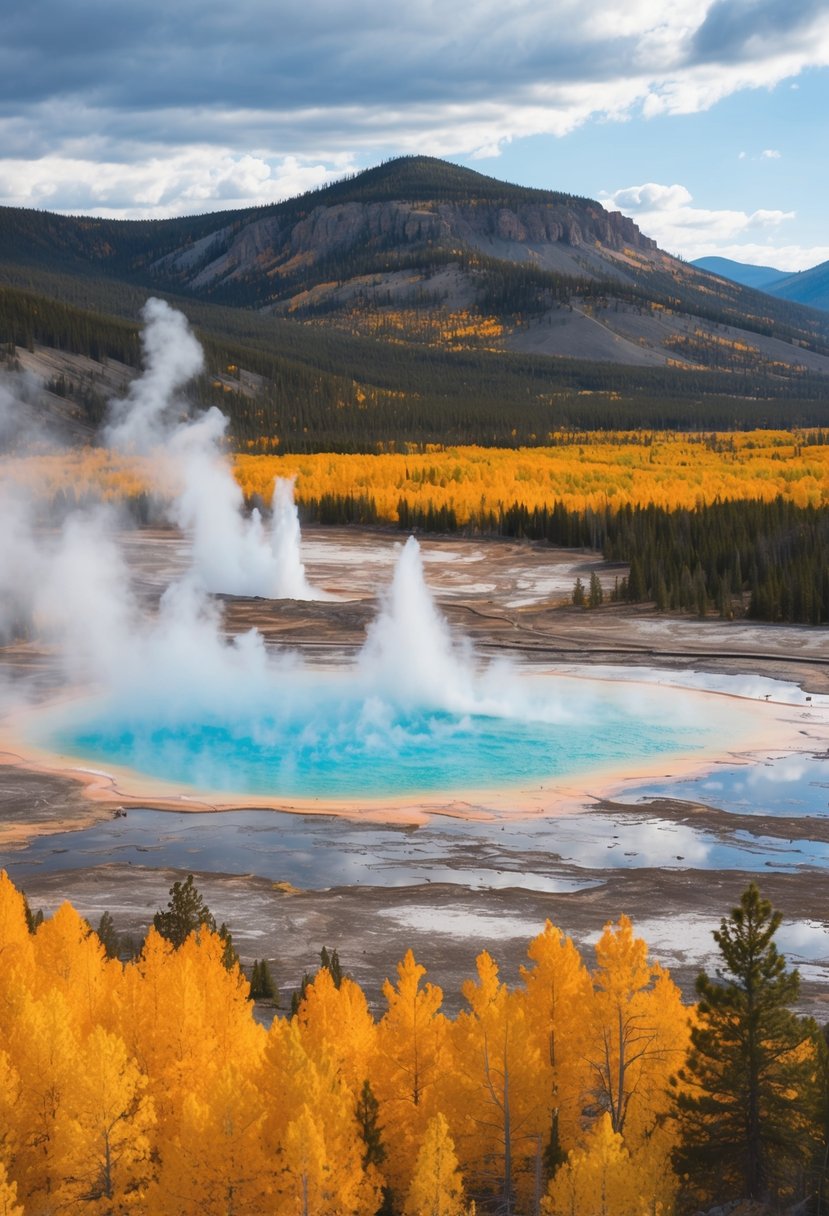
Yellowstone National Park is famous for its stunning scenery and unique geological features. In the fall, the park transforms as the leaves change color, creating a beautiful backdrop for visitors.
Wildlife viewing is exceptional during this season. Animals like bison and elk are more active as they prepare for winter. Photographers often capture remarkable shots of these animals against the colorful foliage.
The park is also known for its geothermal areas. Features like geysers and hot springs are less crowded in the fall. Visitors can enjoy these wonders in a more peaceful setting.
Hiking trails offer various views of the landscape. Shorter days and cooler temperatures make for comfortable hikes. Visitors can explore famous spots, such as the Grand Canyon of the Yellowstone, with vibrant fall colors framing the vistas.
Yellowstone’s diverse ecosystems are home to numerous species. From forests to lakes, every corner of the park has something special. It is a great time to connect with nature and enjoy the changing seasons.
Fall Foliage and Scenic Beauty
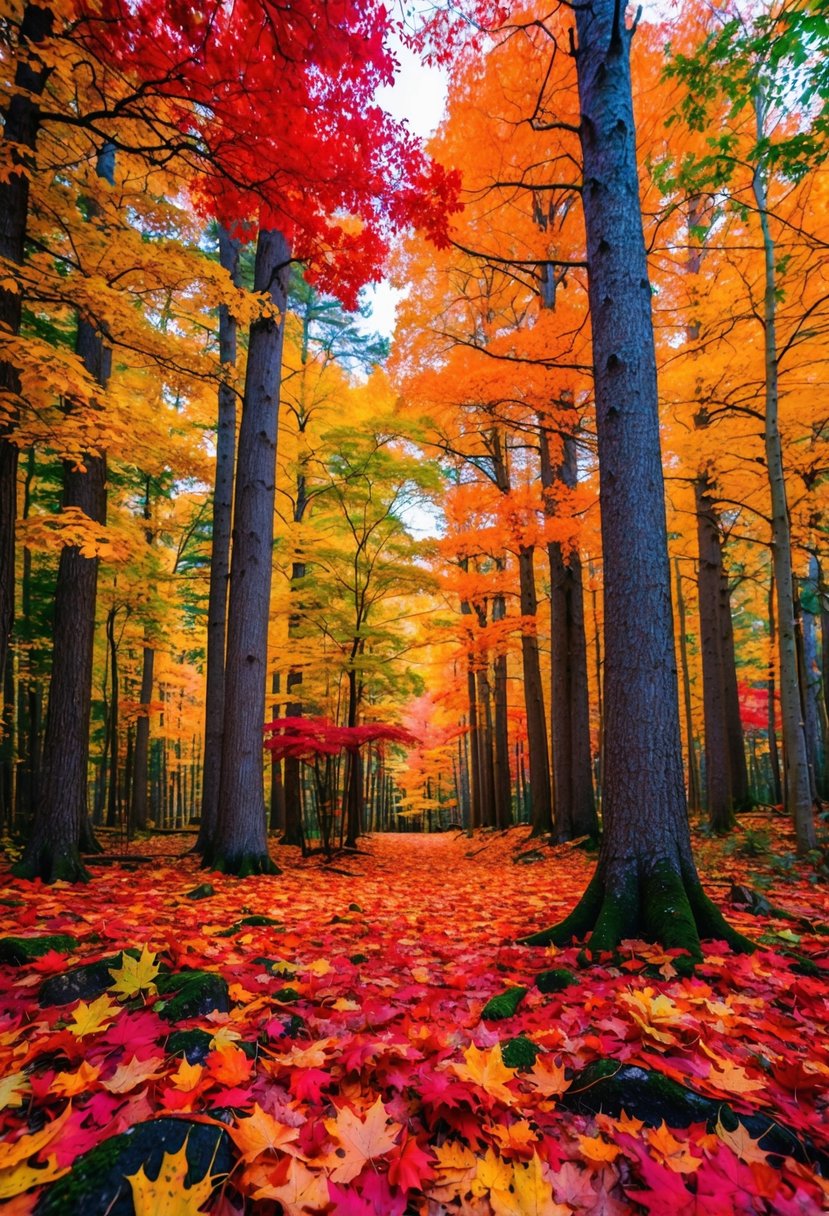
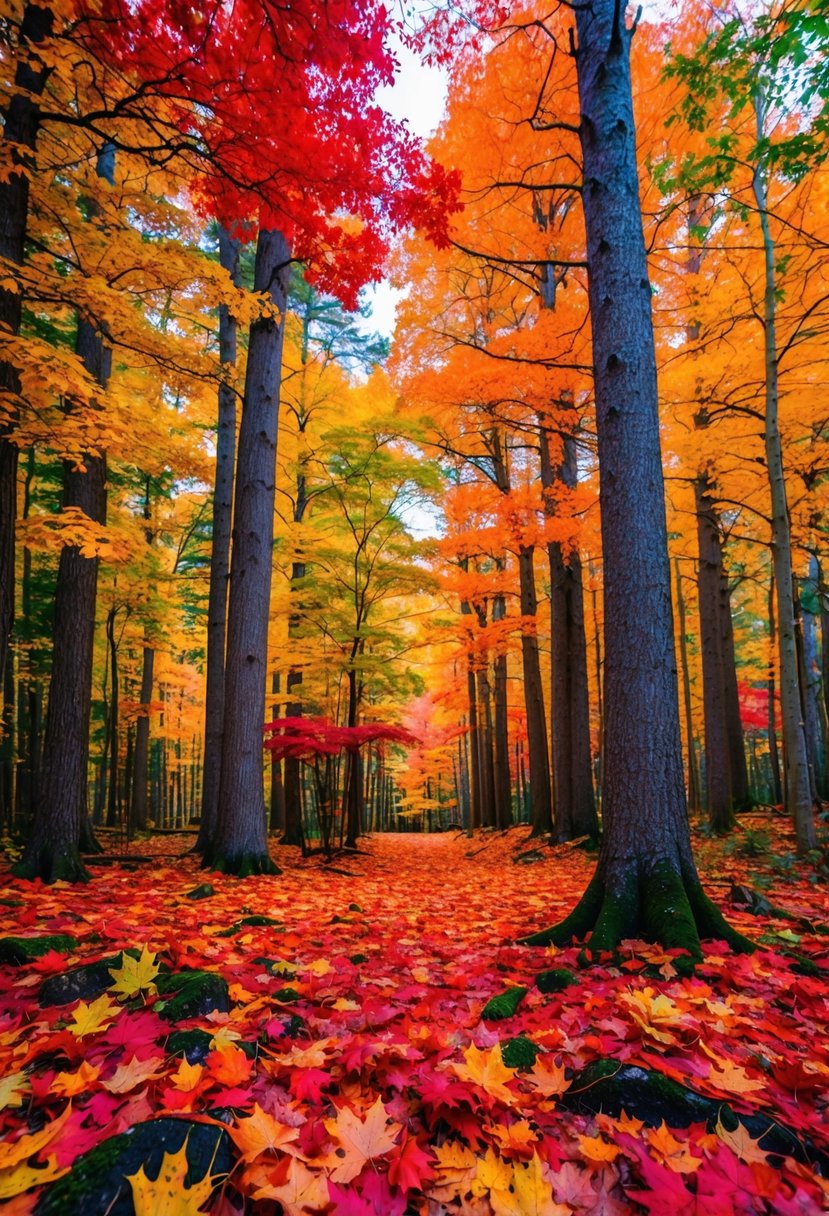
Fall is a magical time for national parks as vibrant colors emerge, showcasing nature’s beauty. The shades of red, orange, and yellow create stunning vistas that attract many visitors. Understanding how these colors form and the factors that influence when they appear enhances the appreciation of this seasonal transformation.
Understanding Fall Colors
The brilliant colors of fall foliage come from pigments in the leaves. Chlorophyll, the green pigment, breaks down as temperatures drop, allowing other pigments to shine. Carotenoids provide yellow and orange hues, while anthocyanins give leaves a red tint.
Different tree species contribute to the palette. Maples are well-known for their striking red and orange shades, while oaks can display deep reds and browns. This diversity creates a rich and varied landscape that draws leaf-peepers from afar.
The timing of fall colors varies by region. Areas with cooler temperatures and ample sunlight tend to show more vibrant foliage. Notable parks like the Great Smoky Mountains offer some of the best displays, showcasing old growth forests that enhance this seasonal beauty.
Impact of Climate on Foliage Timing
Climate plays a key role in determining when fall colors will peak. Factors such as temperature, sunlight, and rainfall are crucial. Ideal conditions include warm days and cooler nights, which help intensify colors.
Drought or excessive rain can delay or dull the foliage. A wetter early season can lead to a longer growing period, impacting when leaves change. Conversely, an early frost can shorten the fall color season, causing leaves to drop before they reach their full potential.
Regional variations also exist due to climate zones. For instance, parks in the Northeast often showcase fall colors earlier than those in the South. Observing these changes can guide visitors to witness the best scenery during their travels.
Wildlife Activity in Fall
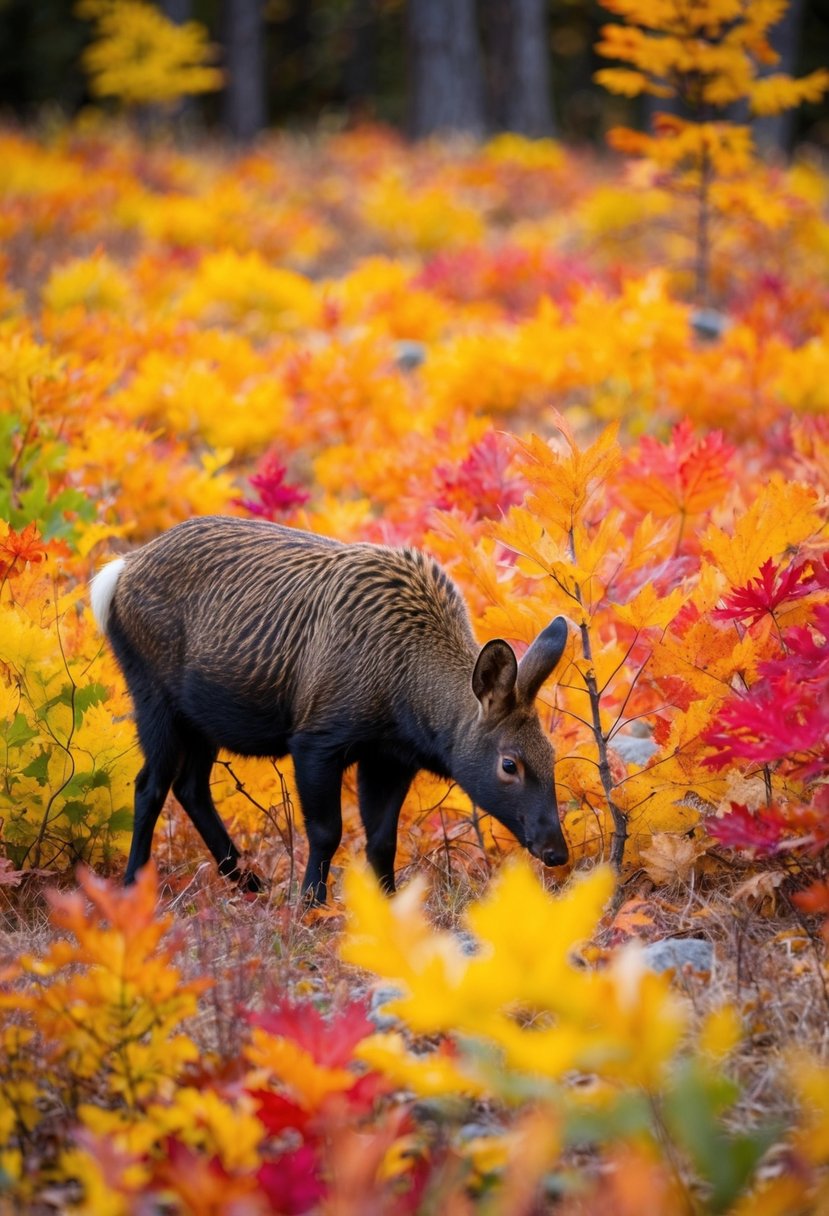
Fall is a vibrant time for wildlife in national parks. As animals prepare for winter, various activities become noticeable. Migration patterns change, and the opportunities for wildlife viewing improve.
Animal Migration Patterns
In fall, many species migrate to warmer climates. Birds such as Canada geese and monarch butterflies travel long distances. Their migration provides unique viewing opportunities as they gather in large flocks. This movement often peaks in late September to mid-October.
Mammals also shift their behaviors. Elk begin rutting season, making them more vocal and easier to observe in parks like Yellowstone. Additionally, bears prepare for hibernation, feeding heavily on berries and other food sources during this time. Travelers can witness these behaviors in various national parks.
Best Times for Wildlife Viewing
The best times to observe wildlife vary by species. Early mornings and just before sunset are prime times when animals are most active. This is when deer, elk, and many birds forage for food.
Fall colors enhance the experience as animals blend into their colorful surroundings. Park visitors often spot animals along trails, in meadows, and near water sources. Carrying binoculars and a camera can enhance viewing experiences. Wildlife watchers should plan visits around these active times for the greatest chance to see animals in their natural habitat.